HVAC

Reliable Air Heating and Air Conditioning Services for Year-Round Comfort

Maintaining a comfortable indoor environment throughout the year depends heavily on the quality and performance of your air heating and air conditioning system. Whether you are facing the peak of summer heat or the chill of colder seasons, having a dependable HVAC setup is essential for comfort, safety, and overall well-being. Reliable Ausco Air Heating & Air Conditioning services play a crucial role in ensuring your system functions efficiently, lasts longer, and provides consistent comfort no matter what the weather brings. With the right approach to installation, maintenance, and repair, homeowners and businesses can enjoy stable indoor temperatures and better air quality all year long.
HVAC

A major factor in achieving year-round comfort is ensuring your HVAC system is properly installed by skilled professionals. Proper installation goes far beyond simply placing equipment in a designated area. It involves carefully assessing the size of the space, understanding airflow patterns, and selecting a system that can effectively handle the heating and cooling requirements of the building. When air heating systems or air conditioning units are oversized or undersized, unnecessary strain is placed on the equipment, leading to energy inefficiency, frequent breakdowns, and uneven cooling or heating. Professional installers take these considerations into account to ensure the system fits the property’s needs and performs optimally from day one.

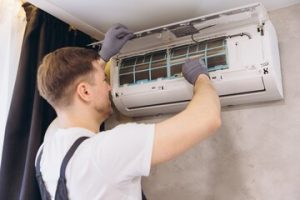
Once an HVAC system is installed correctly, ongoing maintenance becomes the key to preserving its functionality. Regular maintenance plays a vital role in preventing unexpected issues, improving energy efficiency, and extending the lifespan of both heating and cooling units. During routine tune-ups, technicians check for clogged filters, worn components, low refrigerant levels, airflow restrictions, and thermostat irregularities. They also clean essential parts of the system to ensure everything runs smoothly. Neglecting maintenance can reduce system efficiency, cause energy bills to rise, and increase the risk of sudden breakdowns during extreme weather conditions. By scheduling regular inspections and servicing, property owners can avoid costly repairs and maintain consistent comfort all year long.

Air heating systems require special attention, especially during colder months when they work the hardest. Services such as furnace inspections, heat pump evaluations, and airflow assessments help ensure your system can handle prolonged use during the winter season. Heating systems that have not been professionally inspected may struggle to maintain consistent temperatures, produce strange noises, or consume excessive energy. A reliable air heating service provider tackles these concerns before they escalate, ensuring your heating system remains dependable and ready for seasonal demands. Addressing potential problems early not only enhances comfort but also improves safety by identifying risks such as faulty wiring or damaged components.

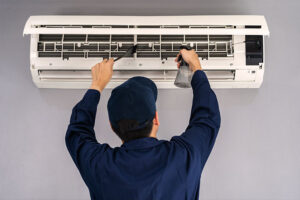
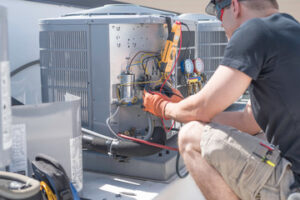
Just as heating systems must be prepared for the colder months, air conditioning units require thorough evaluation as temperatures begin to rise. Air conditioning services focus on ensuring the cooling system is ready to withstand heavy use during heatwaves or prolonged warm seasons. These services include cleaning condenser coils, checking refrigerant levels, lubricating moving parts, and evaluating electrical connections. When air conditioning units are not maintained properly, homeowners may experience weak airflow, inconsistent cooling, foul odors, or higher energy consumption. Reliable air conditioning services eliminate these concerns by identifying and addressing issues ahead of time, giving property owners peace of mind as warm weather approaches.

In addition to traditional heating and cooling options, many property owners are turning to more energy-efficient HVAC systems. Energy-efficient solutions provide significant long-term advantages, including reduced utility bills, lower environmental impact, and improved performance. Modern HVAC systems are designed with advanced technology that maximizes airflow, minimizes energy waste, and enhances indoor air quality. Variable-speed motors, programmable thermostats, and high-efficiency filtration systems are just a few innovations that help maintain year-round comfort with greater precision and reliability. Expert HVAC service providers can recommend the best energy-efficient upgrades based on the specific needs of a home or commercial property.

Indoor air quality is another essential aspect of maintaining comfort throughout the year. Poor air quality can come from dust, allergens, moisture buildup, and pollutants that circulate through HVAC systems. Reliable heating and air conditioning services often include air quality assessments to identify potential issues that could affect respiratory health or overall comfort. Solutions such as advanced air purifiers, enhanced filtration systems, humidity control, and duct cleaning services can significantly improve indoor air quality. When air quality is prioritized alongside heating and cooling performance, property owners experience cleaner, fresher air and a more balanced indoor environment.

One of the most common reasons property owners seek HVAC services is the unexpected breakdown of their system. When a heating or air conditioning unit stops working, prompt repair becomes essential to restoring comfort as quickly as possible. Professional HVAC technicians understand the urgency of these situations and provide timely repair services to minimize inconvenience and disruption. Whether the issue involves faulty wiring, blocked air ducts, refrigerant leaks, or malfunctioning thermostats, reliable technicians diagnose the problem efficiently and perform the necessary repairs to get the system running again. Fast and accurate repair services not only restore comfort but also prevent minor issues from turning into major system failures.

Preventive care is often more cost-effective than reactive repair. Property owners who invest in preventive HVAC maintenance plans benefit from priority service, discounted repairs, and regular performance checks. These plans ensure that systems receive consistent care throughout the year, reducing the likelihood of sudden breakdowns and maintaining high levels of comfort. Routine preventive care also helps property owners stay ahead of seasonal changes. For example, preparing the heating system in advance of winter or ensuring the air conditioning unit is ready for the summer reduces stress on the equipment and ensures smooth operation during peak seasons.

Beyond installation, maintenance, and repair, reliable air heating and air conditioning services also offer guidance on enhancing energy management in homes and businesses. Many property owners notice seasonal spikes in utility bills due to inefficient systems or excessive usage. HVAC professionals can conduct energy assessments to identify areas where improvements can be made. These assessments may reveal issues such as air leakage, poor insulation, or outdated equipment. By addressing these concerns and implementing targeted solutions, property owners can significantly reduce energy consumption while maintaining ideal indoor temperatures. This type of professional guidance is invaluable for maintaining comfort without overspending on energy costs.

Customer education is another key component of reliable HVAC services. While professional servicing is essential, property owners also benefit from learning how to care for their HVAC systems on their own. Technicians often provide advice on simple tasks such as changing air filters regularly, clearing debris from outdoor units, adjusting thermostat settings, and monitoring unusual sounds or performance changes. These small steps can greatly improve system efficiency and ensure indoor comfort remains consistent between professional visits. Empowering customers with knowledge strengthens the relationship between HVAC professionals and clients, creating a long-term partnership built on trust and reliability.

As technology continues to evolve, smart HVAC systems are becoming increasingly popular. Smart thermostats, remote monitoring, and automated climate control systems allow property owners to manage their indoor environment with greater convenience and accuracy. These systems learn usage patterns and adjust heating or cooling output accordingly, ensuring maximum comfort with minimal energy waste. Reliable HVAC service providers are trained to install, configure, and maintain these advanced systems, helping property owners take advantage of modern climate control solutions. With smart technology, maintaining consistent indoor temperatures becomes more intuitive and efficient than ever before.

Ultimately, investing in reliable air heating and air conditioning services is one of the best ways to achieve year-round comfort. From installation and maintenance to repairs and energy efficiency upgrades, each aspect plays a significant role in keeping your indoor environment healthy, comfortable, and stable. Without proper care, HVAC systems may fail during critical moments, leading to discomfort, safety concerns, and increased expenses. By partnering with trusted professionals who prioritize quality and customer satisfaction, property owners can enjoy peace of mind knowing their systems are built to withstand seasonal changes and deliver reliable performance throughout the year.

Year-round comfort is not something that happens by accident—it is the result of consistent care, expert service, and proactive management of your air heating and air conditioning system. When you invest in reliable HVAC services, you invest in comfort, convenience, and long-term energy savings. Whether you are preparing your property for extreme temperatures or simply aiming to improve daily indoor conditions, dependable HVAC support ensures your environment remains comfortable, safe, and efficient no matter the season.
HVAC

Heating and Cooling – What You Need to Know

Heating and cooling are essential aspects of everyday life. They turn raw food into cooked meals, change the state of matter from solid to liquid or gas, and control indoor air temperature. Home heating systems can use natural gas, fuel oil, or electricity.

HVAC systems are used in buildings, apartments, and other residential structures; in offices and vehicles; and in laboratories and other scientific facilities. Regular TAP Heating and Cooling maintenance can help keep these systems running properly and efficiently.

heating and cooling

Check the Thermostat

The thermostat is the command center of your HVAC system, regulating when it turns on and off and how long it runs to maintain your home’s temperature. It is also a key component of your energy bills, so it’s important to choose the right one for your home.

The most common issue with thermostats is that they are not set to the correct temperature or they aren’t running long enough to maintain a comfortable temperature in your home. The first step in solving this problem is to check that the thermostat itself is working properly.

Typically, a mechanical thermostat works by using an internal metal strip to regulate heat. When the strip expands, it opens a circuit that switches on the heating system. When it contracts again, the system turns off. A good way to see whether your thermostat is still functioning correctly is by raising the demand for more heat. If it reacts quickly, it is working as intended.

When you’re considering where to place your thermostat, keep in mind that it should be located in a central area of the house, such as the living room or kitchen. This will give the device an accurate reading of the house’s average temperature and reduce the need for frequent system adjustments. Avoid placing it near a heat source, such as a fireplace or a sunlit window, as this could trick the sensor into thinking the room is hotter than it actually is.

A faulty thermostat might be the result of a simple power outage or even an old model that is not compatible with your current HVAC system. A faulty thermostat can result in poor performance and higher energy costs, and you should always consider your options carefully when choosing an appliance like this.

Before calling a technician to diagnose a thermostat problem, try using a multimeter to check the voltage running to the unit. You can find a multimeter at hardware stores or online retailers, and it’s relatively inexpensive. After ensuring that the multimeter is turned off, touch the red probe to the R terminal on the thermostat and the black probe to the C terminal. A normal reading should be around 24 volts. If you receive a lower reading, contact a professional.

Check the Furnace

Furnaces are a unique type of HVAC system. They circulate warm air throughout your home using ductwork, but unlike air conditioners, furnaces only operate during the winter months. Therefore, there are some issues specific to furnaces that you should be aware of.

Check the thermostat settings and batteries. Incorrect or low settings can cause the furnace to turn on and off frequently, leading to high energy bills. If your furnace isn’t turning on at all, make sure that the power switch and circuit breaker are both switched to “on.” The furnace power switch looks like a light switch and is located near the furnace. Look for a label that indicates which breaker is responsible for powering the furnace. If the switch isn’t on, you can easily reset it.

If your furnace is cycling on and off frequently, the issue may be due to a dirty or clogged filter. A dirty filter forces your furnace to work harder, causing it to overheat and shut off. A clogged filter also causes the furnace to distribute less heat. Change the filters regularly and keep the intake and exhaust vents clean to ensure that your furnace is working properly.

In addition, if your ductwork is improperly sealed or the ducts are the wrong size, you can expect to pay more in energy bills. Leaky ducts allow conditioned air to leak into unconditioned spaces, leading to wasted energy. If you suspect that your ductwork is leaking, contact a professional to inspect and seal it.

The brand of furnace you choose can impact long-term reliability, efficiency, warranty coverage, and ease of service. While some budget brands offer lower upfront costs, premium brands can deliver higher efficiency and durability at an affordable price. In addition, choosing a well-known brand can make it easier to find replacement parts and technicians in your area. The best furnace companies consider installation as only the beginning of a long-term relationship. They will offer comprehensive maintenance plans that include routine tune-ups, priority emergency service, and discounted repair rates. They will also employ technicians who have earned the Technician Excellence (NATE) certification, considered the gold standard in HVAC technology and repair.

Check the Ductwork

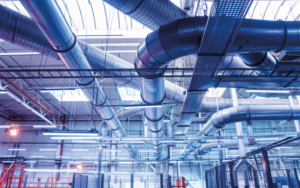
It’s estimated that between 30% and 80% of heated and cooled air is lost in the ductwork before reaching rooms to be conditioned. This is due to leaking, poorly sealed, or disconnected ducts, as well as loose or detached sections of ductwork.

Dirty ducts can cause airflow problems and reduce energy efficiency, as well as distribute biological contaminants, such as mildew and mold, throughout the home. A professional should visually inspect all accessible ducts to look for damaged insulation, leaky joints and seams, wet spots, and signs of biological growth.

A visual inspection will also reveal whether the ductwork is properly sized for each room, as well as determine its overall condition. A duct system that is not properly sized will put undue strain on the furnace and can result in higher repair bills, shorter equipment life, and high utility costs.

Leaks in the ductwork can be caused by a variety of issues, including gaps between fitted pieces, missing or degraded fasteners, broken or fallen sections of ductwork, and holes in the ductwork itself. These leaks can also compromise the effectiveness of your air filters by allowing unconditioned air to bypass them and cross-contaminate with conditioned air entering supply vents.

The most common ductwork modification is to install a larger return air drop, which connects back to the furnace and allows for proper circulation. However, there are a variety of other ductwork modifications that can be made to increase efficiency or improve comfort. These include a plenum seal, replacing old sections of ductwork, installing dampers to help control air flow, and more.

Before hiring a company to clean your ducts, ask for a written estimate of the cost and expected duration of the job. Also, ask about the procedures used and what materials will be cleaned. For example, some companies may use a biocide that can release volatile organic compounds (VOCs) into the home. If you have concerns about the environmental impact of this product, request that a different method be used.

Before the cleaning begins, check with the service provider to verify that they will not remove or disturb asbestos-containing materials. They must follow the appropriate safety guidelines when working with these materials, which require specialized handling and disposal procedures.

Check the Filters

Running a furnace, central air, or heat pump takes up a big chunk of your utility bill. A small, often inexpensive part of that system is the filter, which improves indoor air quality by snagging dust and pollen. Filters come in a variety of thicknesses, and you should be aware of the size your system needs. A qualified technician can take a quick measurement in a couple of minutes while doing other work on your system, like a tune-up, and advise you on choosing filters that will work well with your setup. For example, a MERV 8 pleated filter will allow plenty of airflow while snagging the debris that would otherwise damage your system.

HVAC

Heating Repair – How to Test Your Thermostat Before Calling a Technician

Heating repair is an essential part of keeping your home comfortable. It also helps protect you from the life-threatening dangers of hypothermia.

Uneven heating is a sign that there’s a problem with your furnace. It could be something as simple as a dirty air filter or it might be a more serious issue like a crack in your heat exchanger. If you are unsure, schedule an appointment by clicking https://comfortprosheatandair.com/  today! Our heating repair experts are ready to help you. We’ll have you warm in no time! You can also do the following:

heating repair

Check the Thermostat

The thermostat sends a signal to your furnace or air conditioning system to turn on when the temperature gets too low or too high. So, if your system isn’t turning on, it could be because the thermostat is broken. The good news is that you can test the thermostat’s functionality with a few simple steps.

First, remove the cover from the thermostat. Then, use a flathead screwdriver to open the main plate and get access to the wires inside. The wires should be screwed to terminals labeled R (red), W (white), G (green), Y (yellow) and C (common). Make sure to take a picture with your phone of the wiring connections so that you can reference them later.

Once you’ve removed the plate, check the wires to see if they’re disconnected or corroded. If you find any, reattach them using needlenose pliers and twist them tightly. You can also re-tighten the screws to ensure that they’re securely in place.

Next, tape a household thermometer to the wall next to your thermostat. Make sure that the thermometer is properly calibrated and that it’s reading the same temperature as the thermostat. If the two temperatures are the same, then your thermostat is working correctly.

If the thermostat is not reading correctly, or if it’s making strange noises or smelling like burning dust, it might be time to call a heating repair professional for a full inspection. Regularly performing routine HVAC maintenance can help extend the life of your equipment and ensure that it’s running at its peak efficiency. 

Check the Furnace

When the air turns chilly, you need to have your furnace ready to keep your home comfortable. A heating system that is not functioning properly can create a lot of stress and discomfort.

One of the most common problems that prevents a furnace from turning on is a clogged air filter. A dirty filter restricts airflow, which is why you should change it at least once a month. In addition, you should clean the area around your furnace and make sure that it is free of flammable materials.

Another problem that may cause your heater to not turn on is a dirty ignitor or ignition sensor. This is a simple fix that you can do yourself, but it is important to turn off the power and gas before you begin. You will also want to remove the front cover of the furnace and inspect the sensor or ignitor for dirt. You can use a screwdriver to remove the ignitor and sensor and clean them carefully. Be sure to follow the manufacturer’s instructions for doing this.

If you have checked the thermostat and the air filter and still have a problem with your furnace, it could be a problem with the heat exchanger. This is a tube-shaped metal structure inside your furnace that is used to heat the air and distribute it throughout your home. It can become rusty and warped over time, which leads to decreased heating efficiency and carbon monoxide leaks.

If your heat exchanger is rusty or warped, you will need to have it replaced by a professional. Another possibility is that the fan limit control switch is faulty. This is a safety device that monitors the temperature inside your furnace and shuts off the components when it reaches a certain set temperature. It is possible that this can reset itself over time, so it is important to have a professional check it regularly.

Check the Drain Lines

While some heating maintenance tasks require a professional, you should be able to perform most of the basic routines yourself. This includes ensuring the drain lines are clear of clogs. This will prevent water damage to your ceiling. Clogged drain lines are not only costly to repair, but they can also lead to mold and other health issues.

To check the drain line, first make sure your air conditioner is completely turned off. This includes switching the thermostat to “off” and turning off the circuit breaker. Locate the narrow PVC pipe that runs out from the furnace and leads to the drainage pan. This will usually be located outside, where the condenser unit sits. It’s typically capped off with a plastic cap, which you can easily remove with your hands.

Once the cap is removed, you can visually inspect the drain line to see if there are any clogs present. You should be able to easily spot any debris in the area by shining a flashlight on the area.

If you do spot any clogs, they can usually be cleared with a wet/dry vacuum. Just make sure to use a vacuum with a strong suction capacity, which will be necessary to clear any stubborn debris. Alternatively, you can also try flushing the drain line with vinegar. This is a simple and inexpensive DIY method to clear most clogs.

Another easy way to protect your drain lines is by insulating them. You can purchase insulation tubes called rebates that are specifically designed for piping, and simply slip them onto the end of your drain lines. This will keep the cold PVC pipes from “sweating” and causing a clog. This is a quick and inexpensive DIY solution that will help you protect your investment and prevent expensive repairs.

Check the Electrical Connections

A common electrical problem that can cause your heater to stop working is a bad wiring connection. This is usually a sign that there is a more serious problem with the wiring in your home, such as a blown fuse, or it could even be a power outage, which would require a professional technician to troubleshoot and fix.

Usually, your wall-mounted electric heater is hard-wired into household electrical circuits through a set of wire leads that are soldered to the unit’s metal housing. When the outer insulation of these wires is damaged by rodents or by age, it can break down and expose the inner copper core to damage from water, heat, and other sources. These exposed wires are susceptible to short-circuiting, which can be dangerous if you don’t have the proper tools and knowledge to handle the job.

Start by checking that the circuit breaker and high-temperature cutoff switch are both on and not tripped. If they are, reset them to the on position. If the breaker trips again and again, there is likely too much electrical demand on that circuit, which may be caused by equipment like your HVAC system or a washer/dryer that needs special circuits to accommodate their high amperage requirements.

You can check the electrical wiring by visual inspection and with a volt ohmmeter. The latter has two probes with different scales that measure resistance, which can help you determine whether there is a bad connection or an internal wiring issue. Before you start testing, be sure that your multimeter can read resistance, and have the necessary tools such as insulated pliers, screwdrivers, and a wire stripper.

Check the Thermostat Settings

It can be frustrating when your thermostat just won’t do what you want it to. But if you’re not sure where to start, try a couple of easy fixes before calling for help.

Check the Screen

The first thing to do is see if your thermostat’s screen is still lit up. If not, this could mean that it has lost power completely and needs to be reset. This can be done by flipping the switch on your circuit breaker. If the screen still doesn’t come on, you may need new batteries or the breaker may have been tripped by another electrical issue.

Make Sure It’s Working

You can test your thermostat by manually adjusting it to a different temperature. This is typically the easiest way to tell if the problem lies with your thermostat or with your HVAC system. Usually, you’ll hear a small click when you turn the dial. This is the signal being sent to your HVAC system, and in a few minutes, you should feel warm or cool air flowing out of your vents or your return vents sucking in fresh air.

If this doesn’t work, it might be a wiring or circuit board problem with your thermostat that’s keeping it from relaying temperature change signals to the HVAC system. A professional will be able to figure out the problem and determine the best solution.

As the cold weather sets in, you’ll want your family to be comfortable and cozy inside. However, it’s important to balance that with the desire to reduce your energy costs. Using the proper thermostat temperature settings can keep your home warm and safe without spiking your utility bills.

HVAC

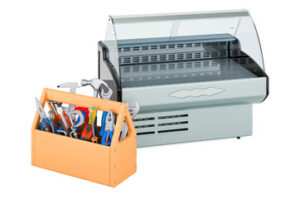
Why Commercial Freezer Repair Is Necessary

Commercial freezers and refrigerators use a lot of energy, working around the clock to preserve food. That’s why it’s important to keep an eye on your energy bill.

If you notice an increase, there could be several covert signs that it’s time to call All Temp Air Conditioning & Refrigeration. Here are some of the most common reasons why.

commercial freezer repair

Damaged Seals

Commercial freezers rely on several different components to keep your food frozen and safe. All these parts have to work together for the unit to function properly, and if any one of them fails it can create problems for the entire system. Regular maintenance can help you catch small issues before they become big problems, but sometimes larger repairs are necessary.

Keeping an eye out for these warning signs will help you stay ahead of potential freezer problems and prevent costly repair bills down the road.

A sudden buildup of frost or ice in your freezer is a clear sign that it’s time to call for a professional repair service. The problem is most likely that the seal on the door gasket has worn away or is damaged in some other way and is allowing warm air to leak into the freezer. This can lead to a loss of cold air and food spoilage.

You may notice a puddle of water on the floor near your freezer or see that the room is more humid than usual. If left unchecked, moisture can damage electrical components or cause rust and mold to develop. Additionally, standing water can create a slipping hazard for employees and customers, so it’s important to get the freezer repaired immediately.

Another warning sign that your freezer needs a repair is if the temperature inside the freezer isn’t cold enough. This can indicate several different problems, including a broken thermostat or temperature control module, malfunctioning fans, damage to the door seal, or even clogged vents.

If you’re trying to make sure your freezer is functioning correctly, try placing a piece of paper between the freezer door and the gasket. If the paper slides out easily, it’s time to call for a freezer repair. This means that the seal is letting cold air out and warm air in which can lead to a higher energy bill and food spoilage. You should also pay attention to any strange or foul odors. These can be a sign of mold or mildew growth, bacteria, or freezer burn.

Inconsistent Temperatures

When you work in the food industry, commercial freezers are crucial to keeping your products fresh and ready for sale. If your freezer isn’t working correctly, it can lead to expensive financial losses due to spoiled goods and health risks for customers. If you spot signs that your commercial walk-in freezer or refrigerator isn’t functioning properly, you should contact a trusted repair service to get it fixed right away.

One subtle sign that something is wrong with your commercial freezer is a higher-than-normal energy bill. This can be a sign that your unit isn’t cooling effectively or has a problem with the evaporator coil. It can also indicate that there is an electrical issue.

Another common sign of a commercial freezer issue is temperature fluctuations. If your commercial freezer is constantly thawing and defrosting, it’s likely time to have it repaired or replaced. This is because fluctuating temperatures can lead to food spoilage. It’s also important to keep in mind that a faulty thermostat could be the source of these issues.

If you notice a lot of frost in your commercial freezer, it’s a sign that the door gasket isn’t sealing properly. This can cause air leaks and lower the freezing point of your freezer. In addition, a buildup of frost may be an indication of an electrical problem or broken seals.

It’s essential to keep a close eye on your commercial refrigerator or freezer to catch problems early. This can prevent spoiled food and unnecessary costs while saving your business money in the long run. If you notice a sudden increase in the temperature of your freezer, it’s important to call for immediate repairs to prevent food loss and costly energy bills.

Another less obvious sign that your commercial freezer needs repair is a strange smell. If you’re noticing a foul odor, it’s a good idea to have it checked out by a professional. This can be caused by a variety of issues, from mold to a broken motor. A professional can help you determine the cause of the smell and recommend the best solution.

Strange Smells

Commercial freezers are expensive to purchase and maintain, so it’s vital to keep them in good condition. Even minor problems like food spoilage and increased energy bills can add up quickly and lead to your business losing a lot of money. It is essential to know the warning signs of freezer trouble and schedule repairs immediately to avoid further damage.

The first sign of a problem is often a foul smell. This can be caused by a variety of issues, including mold, mildew, and spoiled food. It can also indicate that your freezer isn’t working properly, which could cause your food to go bad and create health risks for employees or customers.

If you notice a strange odor in your walk-in freezer, it’s important to have it checked out as soon as possible. A professional will be able to identify the cause of the problem and recommend the best solution.

Another warning sign is a sudden increase in your energy bill. This can be a sign of several problems, including an inefficient refrigerator that is using more electricity than it should. It can also be a sign of an electrical issue, which is dangerous and will require a professional to repair.

You should also watch out for water or puddles in your commercial freezer. This can be caused by several different things, including a frozen drain line that needs to be cleaned or a temperature maintenance issue that requires defrosting. Puddles can also be a sign of a water leak or a faulty gasket, which is a serious safety issue that should be addressed as soon as possible.

Commercial freezers should be relatively quiet, especially when they are operating correctly. Any unusual sounds can be a sign that something is wrong with your freezer, such as a clicking noise or a lack of sound at all. Loud sounds could indicate that the motor isn’t working correctly, while a lack of sound may be a sign that your condenser has stopped working.

Finally, if you notice a burnt plastic or rubber smell, it’s important to have your freezer repaired as soon as possible. The smell can be hard to get rid of, so you’ll want to clean it thoroughly with a deodorizer and disinfectant before using it again.

Overheating Motor

A commercial walk-in freezer gets plenty of daily use. That means the door, hinges, cooling unit, and more take a beating. But it’s possible to avoid the need for emergency commercial refrigeration repair by checking regularly for leaks and worn parts.

An overheating motor is one of the biggest signs you need a commercial freezer replacement or at least a professional refrigeration inspection. This can be caused by several issues, including dirty coils, improper airflow, worn-out door seals, or a damaged compressor. If your commercial freezer’s motor is overheating, it’s best to contact a qualified technician right away for fast and effective repair services.

Another reason to get a professional commercial freezer repair service is if you notice that your unit doesn’t run as efficiently as it used to. This can be the sign of an older model with less efficient insulation or a damaged door that lets in warm air, leading to moisture build-up on the evaporator and other problems. A newer model with more efficient insulation will demand less electricity, operate more quietly, and last longer. It’s usually worth the investment to cut your energy bills and avoid paying for costly repairs in the future.

It’s also important to keep your food at the proper temperature. That’s why a good commercial freezer maintenance checklist should include routine checks of the door seals, fans, and evaporator coils. These tasks can be done with a simple dollar bill test (stick a dollar bill in the doorframe with some sticking out) or by vacuuming or brushing them off. It’s a small price to pay for keeping your food fresh and avoiding the need for emergency commercial refrigerator repair.

Despite the high cost of commercial refrigeration, most problems are easily repaired by a professional refrigeration service. Almost everything in a walk-in refrigerator can be repaired or replaced, as long as the technician can access it. In most cases, replacing the thermostat settings, fan, or evaporator coils will only take a few hours. The only thing that takes more time is if your cooler is overfilled and the thermostat settings haven’t been calibrated correctly.

HVAC

How to Avoid Common AC Repair Issues

Homeowners can save money by addressing AC Repair Woodland Hills issues before they turn into expensive emergencies. These include a faulty thermostat, a failing blower motor, or a deteriorating compressor.

AC Repair

Start by checking your circuit breaker to ensure it is in the on position. If it is, then your next step is to check if the evaporator coils are frozen.

If you find that your thermostat is constantly running and not turning off even when the set temperature has been reached, it’s time to call in a professional. This may indicate a problem with the thermostat itself, such as faulty wiring or a loss of calibration. You should also consider where your thermostat is located in your home and whether it is exposed to direct sunlight, other heat sources, or cold drafts, as these factors can affect how accurately it reads the desired room temperature.

One of the easiest things to check is whether or not the thermostat screen has gone blank. A simple power outage or a bad battery can cause this. If this doesn’t fix the problem, you may need to replace the batteries or reset the thermostat.

You should also take note if your HVAC system won’t turn on or respond to any changes made at the thermostat. A faulty relay, wiring defect, or control board could prevent signals from getting sent to the furnace and AC unit.

A faulty thermostat can also lead to a number of other issues. If the thermostat is displaying an incorrect temperature, this means that the sensors inside the thermostat are not properly reading the room’s actual temperature. If this is the case, you should consider relocating your thermostat or replacing it with an energy-efficient model.

Thermostats don’t last forever, and they are subject to a lot of wear and tear over the years. A good rule of thumb is to expect a replacement every 10 years.

Failing blower motor

A failing blower motor can cause several issues for your HVAC system. Typical symptoms include weak or no air flow, high electricity bills, strange sounds, and overheating. A common reason your blower motor fails is due to dirt and dust clogging it. The bearings that surround the motor shaft can also become damaged. When these parts wear out, it causes friction that can prevent the motor from turning. Alternatively, the motor may be too old to function properly.

A resistor is an electrical component that can block or resist the flow of electricity into a circuit. This is how you are able to change your fan speed setting—clicking the switch changes the path electricity takes through the resistor, altering the blower motor’s ability to spin and circulate air throughout the cabin. If the resistor shorts out, it will prevent the blower motor from spinning. The resulting lack of airflow is one of the most common signs you need to replace your car’s blower motor.

Another common problem with blower motors is that they overheat due to dirt and dust buildup. This can be exacerbated by a bad capacitor. The capacitor is responsible for giving the motor a burst of electricity when it first turns over to help it start spinning. If the capacitor goes bad, it will not provide this initial jolt of electricity, causing the motor to overheat.

Finally, your blower motor can fail simply because it is old and worn out. This is especially true if the motor has been exposed to moisture or chemicals. Eventually, the metal components will rust and make the motor unusable.

Regardless of the reason for your blower motor malfunction, it is important to contact a professional to diagnose and repair the issue. The sooner you do so, the better. In the meantime, be sure to check your blower motor often for signs of overheating or a lack of airflow. This can help ensure that your vehicle’s HVAC system continues to function well for years to come. You don’t want to find yourself stuck in a hot and uncomfortable car during a road trip near New Palestine, IN!

Deteriorating Condenser

As one of the A/C components closest to the environment, the condenser experiences more wear and tear than most other parts. This is especially true in climates that see a lot of rain and salt spray on the roads, which can clog the condenser with impurities. This clogs the thin channels of the condenser, restricting refrigerant flow and causing overpressure that can damage the compressor.

A corroded condenser can also make other parts of the system work harder, leading to increased failure rates. This is why it’s important to pay attention to signs of corrosion and replace the unit before it’s too late.

The air conditioner’s condensate drain tube is another component that must be kept in good working order. If this tube becomes clogged with dirt, algae, or debris, it can damage the equipment and leak water into your home. This is why it’s important to check this drain tube regularly for blockages and clogs. It is often directed to a floor drain or washing machine drain, so a quick inspection can reveal the problem.

Leaking AC units can be costly to repair. Homeowners need to find the source of the leak, repair the area, and dehumidify the room. Ultimately, it may be more cost-effective to replace the condenser than to keep repairing an older unit that is no longer working efficiently.

Like most other pieces of machinery, the condenser can experience leakage issues. While a small leak is not necessarily a big deal, frequent blocking can indicate that the unit needs replacing. This is because it’s not possible to replace seals or the condenser tubes, so a leaky condenser is usually beyond repair.

A faulty control board is another potential issue that can cause the air conditioning condenser to fail. This is because the control board allows the various parts of the unit to communicate with each other. If this goes bad, it can cause problems like the fan motor not switching on and off when needed. Like the run capacitor, this problem is rarely a sudden issue and happens over time as a result of poor maintenance and stress on the unit.

Failing Compressor

The compressor is the key component that makes your air conditioner functional. It takes the refrigerant chemical, squeezes it into a hot gas, and pushes it through the condensing coils. This process removes the heat from your indoor space and blows it out of the house through ductwork. Like any other component, it has an expected lifespan of between 12 and 15 years, but it can fail due to a variety of reasons.

A faulty compressor can affect every other part of the system. For instance, it can cause your unit to work overtime because it has to compensate for the failing part. This can lead to overheating, a dangerous and expensive problem for your cooling system. A faulty compressor can also lead to low refrigerant levels.

If you are concerned about the state of your compressor, a professional can help you decide whether it is time to replace it. Replacing an electric compressor can be a complex and complicated task that requires specialized equipment. This job should only be done by a trained AC technician. It is not something that you can do on your own, even though there are some online tutorials to guide you through it.

Another sign that your compressor is not working properly is its failure to engage when you turn the AC on. This means that the compressor is not drawing enough power from the engine to function properly. In such a case, you should have it replaced immediately.

The compressor can also fail to function because of a damaged suction line. The suction line can build up pressure that strains the compressor. In addition, it can fail to supply the necessary lubricant to ensure proper functioning.

The suction line can also get clogged by dirt and debris that hamper refrigerant flow. The dirt and debris can lead to the compressor overheating. In such a situation, it is important to have the suction line cleaned and repaired by an expert. It is also advisable to have the suction line inspected regularly to ensure that it does not become damaged or blocked.

HVAC

How to Get the Most Out of Your HVAC System

HVAC industry is a rapidly evolving industry with increasing demands for energy efficiency. It is vital for manufacturers to be current with all the latest guidelines and standards. ASHRAE has been at the forefront of HVAC design for decades and offers several resources for engineers. In addition to its standards and publications, ASHRAE offers training, technical summits, and conferences to help members improve their skills and knowledge.

HVAC

A certification from ASHRAE shows that an individual has a thorough understanding of the HVAC industry’s technical best practices. The organization’s standards also require periodic recertification to ensure that certifications remain up-to-date and reflect the latest standards. In addition to helping individuals advance their careers in HVAC, certification can also boost an engineer’s or contractor’s reputation.

The ASHRAE Learning Institute hosts short courses and instructor-led seminars. Its instructors are full-time engineers, ASHRAE members, and university faculty. Some of these courses include the Commissioning Process and Standard 202. Both of these short courses are vital resources for HVAC manufacturers.

The most common aspect of a building’s indoor environmental quality is indoor air quality. It affects human health and can affect how people perceive the indoor environment. In the States, ASHRAE Standard 62.1 provides quantitative guidelines for acceptable indoor air quality levels and HVAC system design. ASHRAE 62.1 also forms the basis for most mechanical codes.

Before construction begins, HVAC contractors should conduct a rough-in of the HVAC ductwork. This process ensures that no air leakages or holes will occur. Then, they should use Aeroseal, a computer-operated process that can seal even the smallest holes and increase ductwork efficiency. Aeroseal is up to 75% more efficient than hand-sealing and can save contractors up to 33 percent in labor time.

Moreover, it is important to have the correct sized and strategically located ductwork. An inadequate duct system will result in a higher energy bill and reduced airflow throughout the house. When a duct system is inadequately designed, it will need to run longer than it should and will have inconsistent temperatures.

The HVAC ductwork can be a breeding ground for pests and bugs. It is important to have the ducts cleaned at least every year to avoid these problems. Clogged ducts can lead to unpleasant odors and noises. If they are not properly sealed, they can even harbor harmful bacteria.

There are two basic types of ducts: rigid and flexible. Rigid ducts are more costly, while flexible ducts can be installed in tight spaces. Flexible ductwork is easier to install and requires fewer tools, which can make it more affordable. However, the flexible ducts can be easily punctured or bent, which can affect the HVAC’s performance. Therefore, choosing the right ductwork depends on the design of the house and the needs of the homeowners.

Keeping an HVAC ventilation system in good shape is a very important thing to do. Not only does proper ventilation help keep the interior of the home fresh, but it also helps minimize indoor air pollution. Many people have allergies, and poor ventilation can make your allergies worse. This is why it is important to check your HVAC ventilation system regularly and make any necessary repairs.

Most homeowners think ventilation means simply opening windows and doors. However, proper ventilation is more involved than just opening doors and windows. Proper ventilation will move the air both inside and outside of the home. This will reduce humidity and eliminate the problems that come with stagnation. Proper ventilation will also eliminate unpleasant odors and keep the interior air fresh.

Ventilation is important because it improves indoor air quality by removing bacteria and carbon dioxide. It also helps with temperature control. It can be natural or forced. It can be used to replace stale air that has become trapped in a building’s walls. If properly installed, the ventilation system can reduce the likelihood of an outbreak of respiratory infections.

HVAC systems are a major part of residential buildings, medium-sized industrial buildings, hospitals, vehicles, and marine environments. Properly ventilated spaces can help reduce indoor pollutants and reduce the amount of energy used by those spaces.

Dampers for HVAC can be a helpful way to keep your home comfortable during the summer and winter seasons. They can be adjusted to send the right amount of cooled air to the appropriate rooms. During the summer, you may want to leave the dampers open. In the winter, it may be best to keep the dampers closed to prevent the cold air from escaping the home.